What is the single most useful thing I can do at 50?
Return the bowel screening kit. It is free, it arrives in the post, it takes a couple of minutes, and it is one of the few screening tests proven to reduce deaths.
About a third of people never send theirs back. Nothing on this page beats it.
Do I need this if I feel fine?
Possibly not, and we will say so. General screening in people without symptoms has not been shown to reduce death or serious illness.
If you are 40 to 74, the NHS Health Check covers much of this free. Start there.
Is this the same as the Well Man or Well Woman panel?
There is overlap, but the emphasis is different. Those panels are organised around general and hormonal health.
This one is organised around what actually changes after 50 — cardiovascular risk that now drives treatment decisions, kidney function, bone health, B12, and a structured review of the free screening you have become eligible for.
My cholesterol is high. Do I need a statin?
The cholesterol number alone does not answer that. The decision rests on your overall ten-year cardiovascular risk, calculated from cholesterol, blood pressure, age, smoking, weight and family history.
A score of 10% or more is the threshold at which one is offered — and age alone moves many people over it. Whether to take it is your decision, properly informed.
My kidney function came back reduced. Is that serious?
Usually not, and it needs repeating after three months before it means anything. Kidney function falls gradually with age.
The urine protein test matters more than the eGFR, and a stable eGFR with a normal urine result in someone over 65 is generally not the alarming thing the label suggests.
My ferritin is low. Can I just take iron?
No — and this is the most important answer here. Iron deficiency over 50 warrants investigating the bowel.
Taking iron and feeling better hides the cause, and it is a recognised route to a delayed bowel cancer diagnosis.
Should I have a PSA test?
Only after a proper conversation. It is not included by default here.
There is no national prostate screening programme because the balance of benefit and harm is close, and most raised results are not cancer. Family history and Black African or Caribbean heritage shift the argument towards testing.
What about my bones?
Blood tests do not measure bone density. Fracture risk is assessed with a FRAX calculation, and confirmed with a DEXA scan where indicated.
This matters most for women after the menopause, and for anyone who has broken a bone from a minor fall.
I am tired all the time. Will this explain it?
Sometimes. Anaemia, iron deficiency, thyroid disease, B12 deficiency and undiagnosed diabetes all show up here and all are treatable.
But sleep apnoea is a very common cause in this age group and does not show on a blood test, so a normal panel does not close the question.
Why do you keep telling me to get my blood pressure checked?
Because it matters more than most of this panel and we cannot measure it remotely.
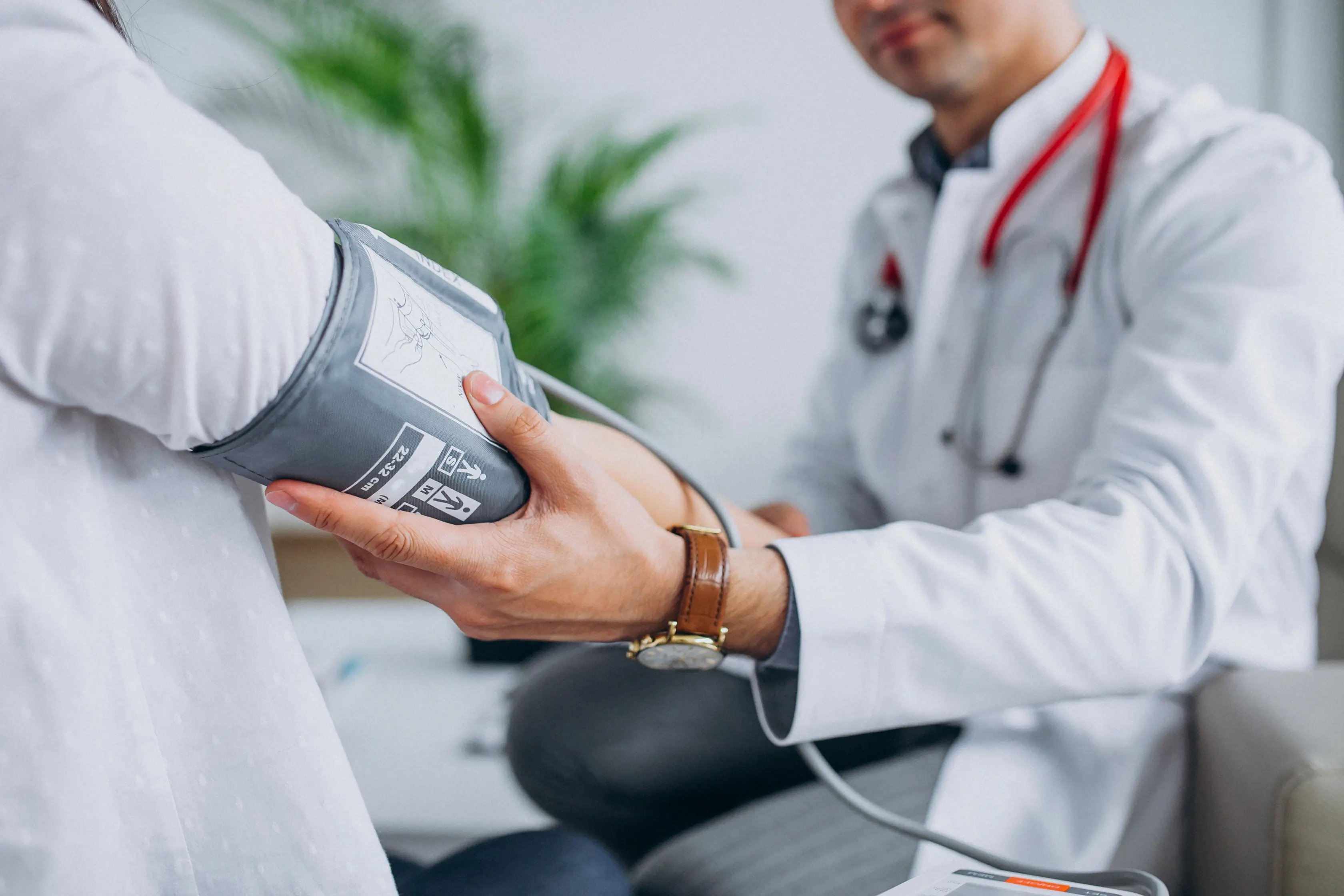
High blood pressure is silent, common after 50, and one of the most treatable causes of stroke. Many pharmacies check it free without an appointment, and a home monitor costs less than a panel.
Should I be checking my own pulse?
It is worth doing occasionally, and it is free. Feel it for 30 seconds — if it is irregular, get an ECG.
Atrial fibrillation is often symptomless and substantially raises stroke risk, and it is very treatable once found.