Children's health icon - sore throat, tonsillitis and childhood illness assessed by an online GP at Cheshire Clinics
Treatable online

Teething

Real but over-blamed. Teething does not cause high fever or diarrhoea, and some teething products are genuinely unsafe.

£40 · 20 minutes

Same-day availability

6am to 10pm, seven days

Assessed and treated by a GMC-registered GP

Prescriptions, sick notes and referral letters included

A written treatment plan after every appointment

Your NHS records in the room, with your consent

Clinically reviewed by Dr Mohammad Khan · Last reviewed

August 30, 2026

Book a consultation

A 20-minute appointment with a GMC-registered GP for £40. No membership required.

Private GP care led personally by Dr Mohammad Zubair Khan, GMC 7563469.

Why patients choose Cheshire Clinics

GMC registered doctors badge - every Cheshire Clinics consultation is with a General Medical Council registered GP

GMC-registered

Care led personally by Dr Khan

Royal College of General Practitioners badge - RCGP trained private GP consultations at Cheshire Clinics

RCGP-trained

Attentive, unhurried care that listens properly

Google five star reviews badge - Cheshire Clinics private GP online

Highly rated by patients

Five-star Google reviews from the people we have looked after

Care Quality Commission registered badge - Cheshire Clinics online GP service is registered with the CQC, England's independent regulator of health and social care

CQC-registered

Registered with the Care Quality Commission

Same-Day Appointments
Sick Notes
Private Prescriptions
Blood Tests
Menopause & HRT
Weight Management
Mental Health
Specialist Referrals
Same-Day Appointments
Sick Notes
Private Prescriptions
Blood Tests
Menopause & HRT
Weight Management
Mental Health
Specialist Referrals

Overview

Most babies get their first tooth at around six months, though anywhere between three and twelve months is normal, and a few are born with one. The full set of twenty milk teeth is usually through by about two and a half.

Teething is real. It causes dribbling, chewing, sore gums, some grizzliness and a few disturbed nights.

It is also blamed for a great deal that it does not cause, and that is the part worth reading. Teething does not cause a high fever, diarrhoea, vomiting, a rash away from the chin, or an unwell baby. When those things are put down to teething, the actual illness gets found late — which is the only real danger in an otherwise ordinary developmental milestone.

There is also a genuine safety issue with some teething products, including one that has caused deaths. That is covered below.

Common symptoms

What teething does cause:

  • Dribbling, often heavily, and a red or chapped chin from the saliva
  • Chewing and gnawing on hands, toys and anything within reach
  • Sore, red, swollen gums, sometimes with a visible white tooth beneath
  • Grizzling and being generally more clingy than usual
  • Some disturbed sleep and reduced appetite for a day or two around each tooth
  • A flushed cheek on the side the tooth is coming through
  • Occasionally a slightly raised temperature — below 38°C

What teething does not cause

This list matters more than the one above:

  • A temperature of 38°C or above
  • Diarrhoea or vomiting
  • A rash anywhere other than the chin and neck from dribbling
  • Cough, runny nose or ear infection
  • Seizures
  • A baby who seems genuinely unwell, floppy or drowsy

If any of those are present, something else is going on. Look for the other cause rather than waiting for a tooth.

Causes and risk factors

  • Normal development. Teeth push through the gum, which is uncomfortable for a day or two either side
  • The lower front teeth usually arrive first, then the upper front teeth, then outwards
  • Molars tend to be the more uncomfortable ones, being larger and flatter
  • Timing runs in families — early or late teething often follows a parent's pattern

Late teething is almost never a problem. A baby with no teeth at twelve months is usually just taking their time; if there are none by around eighteen months it is worth mentioning, but even then it is usually normal variation.

How it is diagnosed

By looking, and by excluding

Teething is diagnosed on the picture: a baby of the right age, with swollen gums, dribbling and chewing, who is otherwise well.

The clinical work is not confirming teething — it is confirming that nothing else is going on. Ear infections, urine infections, viral illnesses and, rarely, more serious infections all present as an unsettled baby, and all are easy to attribute to a tooth.

What tips the balance away from teething

  • Temperature of 38°C or above
  • The baby seeming unwell rather than uncomfortable
  • Symptoms lasting more than a few days
  • Diarrhoea, vomiting, cough or a rash elsewhere
  • Poor feeding or reduced wet nappies

Why this matters

"It's just teething" is one of the more common reasons an unwell baby is brought late. The safe approach is to treat teething as a diagnosis of exclusion in any baby with a fever — comfortable to make, but only after looking properly.

How we treat it online

Teething does not need a doctor. It is a developmental stage, not an illness, and there is no treatment beyond comfort.

We would rather say that than take a fee for it.

When a consultation is actually worth it

  • When you are not sure it is teething. This is the real reason to ask, and it is a good one — a grizzly baby with a temperature could be teething or could have an ear infection or a urine infection, and the distinction is not always obvious at home
  • A baby who seems unwell rather than simply uncomfortable
  • Advice on what is safe to give, particularly with the number of teething products marketed to worried parents
  • No teeth by around eighteen months, where a check is reasonable

What we will always do

Look for another explanation before accepting teething as the cause of a fever. That is the single most useful thing a clinician does with this presentation.

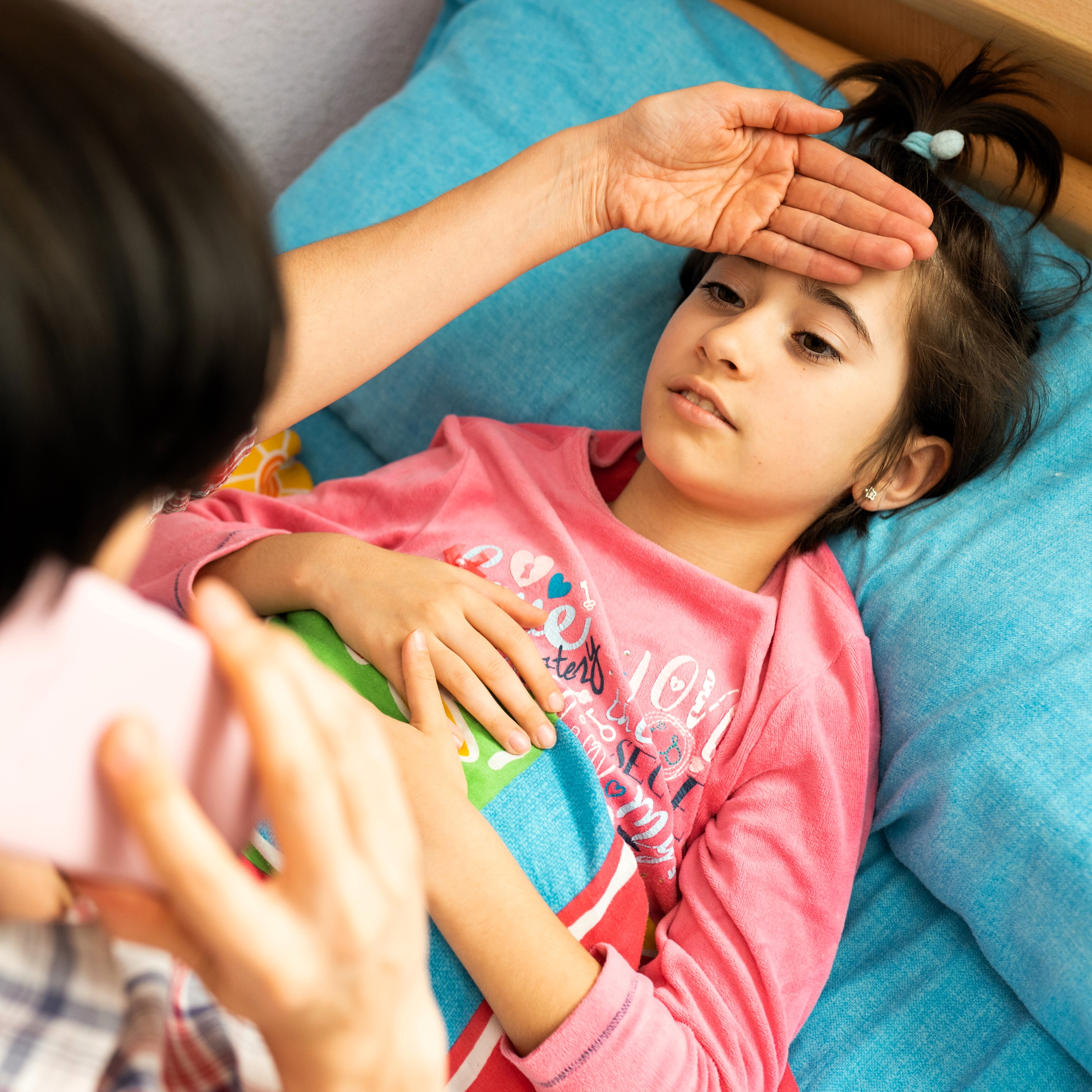
Children's health online GP appointment - private video consultation for a child with a GMC-registered GP at Cheshire Clinics

Ready to talk to a GP about this?

Book a consultation
Important

When to seek urgent help

Seek urgent assessment if your baby:

  • Has a temperature of 38°C or above and is under three months old — this is always urgent, whatever else is happening
  • Has a temperature of 39°C or above and is three to six months old
  • Is drowsy, floppy, difficult to wake, or unusually unresponsive
  • Has a rash that does not fade when pressed under a glass
  • Is breathing quickly or with difficulty
  • Is refusing feeds, or has not had a wet nappy for eight hours
  • Has persistent vomiting or diarrhoea

None of these is teething. Do not wait for a tooth to appear.

Book a routine consultation if: you are unsure whether symptoms are teething or something else, or there are no teeth at all by about eighteen months.

Prevention and self-care

What genuinely helps

  • Something firm and cold to chew. A teething ring chilled in the fridge — not the freezer, which makes it hard enough to damage gums
  • A clean, cold flannel to gnaw on, which costs nothing
  • Rubbing the gum gently with a clean finger
  • Cold food for babies already weaned — chilled cucumber, cold apple pieces, or yoghurt, with supervision
  • Wipe the chin often and use a barrier cream to prevent dribble rash
  • Paracetamol or infant ibuprofen, at the correct dose for age, if your baby is genuinely distressed. Both are appropriate; neither should be given routinely for weeks
  • Extra cuddles. Not a placeholder for real advice — comfort is most of what a teething baby needs

What to avoid, and why

  • Amber teething necklaces and bracelets. There is no evidence they work, and there is a genuine risk of choking and of strangulation. Deaths have occurred. This is the clearest safety point on the page
  • Teething gels containing choline salicylate. Salicylate is aspirin-like and is not recommended for under-16s because of the risk of Reye's syndrome. Check the label
  • Homeopathic teething granules and powders, which have no evidence base and have in some cases been found to contain active ingredients
  • Rusks and sugary teething biscuits, which cause tooth decay in the very teeth just arriving
  • Freezing teething rings solid

Looking after the new teeth

Start brushing as soon as the first tooth appears, twice daily with a smear of fluoride toothpaste. NHS dental care is free for children, and the first dental visit should be around the first birthday.

NHS or private

What is free, and sufficient

  • Health visitor advice, which is exactly the right service for teething and costs nothing
  • Pharmacist advice on what is safe to give and at what dose
  • GP assessment where a baby is unwell and teething may not be the cause
  • Free NHS dental care for children, and free prescriptions
  • NHS 111 out of hours

Teething alone does not warrant paying anyone. If your baby is uncomfortable but well, a health visitor or pharmacist is the right and free answer.

Where paying is reasonable

  • When you genuinely cannot tell whether it is teething or illness, and want your baby assessed today rather than tomorrow. That is a fair reason and a common one
  • Repeated unsettled nights where you would like someone to take a proper history rather than reassure you in three minutes
  • Advice on the safety of a product you have been recommended or given

Evidence and guidelines

This page follows NICE Clinical Knowledge Summaries on teething, NICE NG143 on fever in under 5s, and MHRA safety advice on teething products.

What the guidance actually says

  • Teething does not cause fever, diarrhoea, vomiting or serious illness. Where these are present, an alternative cause should be sought
  • First-line management is non-pharmacological — chilled teething rings, gum rubbing, and cold food for weaned infants
  • Paracetamol or ibuprofen may be used where the infant is significantly distressed, at age-appropriate doses
  • Teething gels containing salicylate salts should not be used in children under 16, because of the theoretical risk of Reye's syndrome
  • Amber teething necklaces are not recommended. There is no evidence of benefit and a recognised risk of strangulation and choking
  • Any infant under three months with a temperature of 38°C or above requires urgent assessment, regardless of teething

On dental care

Brushing should begin with the first tooth, twice daily with fluoride toothpaste, and the first dental check is recommended around the first birthday. NHS dental treatment is free for children.

Reviewed against NICE CKS, NG143 and MHRA guidance current at the date shown above.

Common questions

Can teething cause a fever?

It may cause a slightly raised temperature, but not a fever of 38°C or above.

A genuine fever means something else, and that is worth finding rather than waiting out.

Does teething cause diarrhoea?

No. This is one of the most persistent myths.

Loose stools in a teething baby are a separate problem — usually a viral infection — and should be treated as such.

Are amber necklaces safe?

No, and this is the clearest safety point here. There is no evidence they work, and there is a real risk of strangulation and choking. Deaths have occurred.

They are not recommended, whatever the packaging claims.

Which teething gel should I use?

Check the label and avoid anything containing choline salicylate, which is aspirin-like and not recommended under 16.

Evidence for teething gels generally is limited — a chilled teething ring does more.

Can I give Calpol?

Yes, if your baby is genuinely distressed, at the correct dose for age. Infant ibuprofen is also appropriate.

Do not give either routinely for weeks on end — if you find yourself doing that, get the baby checked.

Should I freeze the teething ring?

Chill it in the fridge, not the freezer. Frozen solid, it becomes hard enough to bruise or damage the gums.

My baby is one and has no teeth. Is that a problem?

Almost certainly not. The normal range is wide and late teething often runs in families.

Worth mentioning if there are none by around eighteen months, though even then it is usually just variation.

Do I need to brush teeth this early?

Yes — from the very first tooth. Twice a day, with a smear of fluoride toothpaste.

Decay in milk teeth is common and entirely preventable, and NHS dental care is free for children.

How do I know it is teething and not illness?

A teething baby is uncomfortable. An unwell baby is unwell.

Dribbling, chewing and grizzling with normal feeding is teething. Fever, floppiness, vomiting, poor feeding or fewer wet nappies is not — get them seen.


Dr Mohammad Zubair Khan, GMC-registered private GP and founder of Cheshire Clinics
Clinically reviewed by Dr Mohammad Zubair Khan, GMC 7563469
Last reviewed

August 30, 2026

How it works

What happens when you book

£40 for a 20-minute appointment with a GMC-registered GP, 6am to 10pm, seven days a week. Membership is optional and never required.
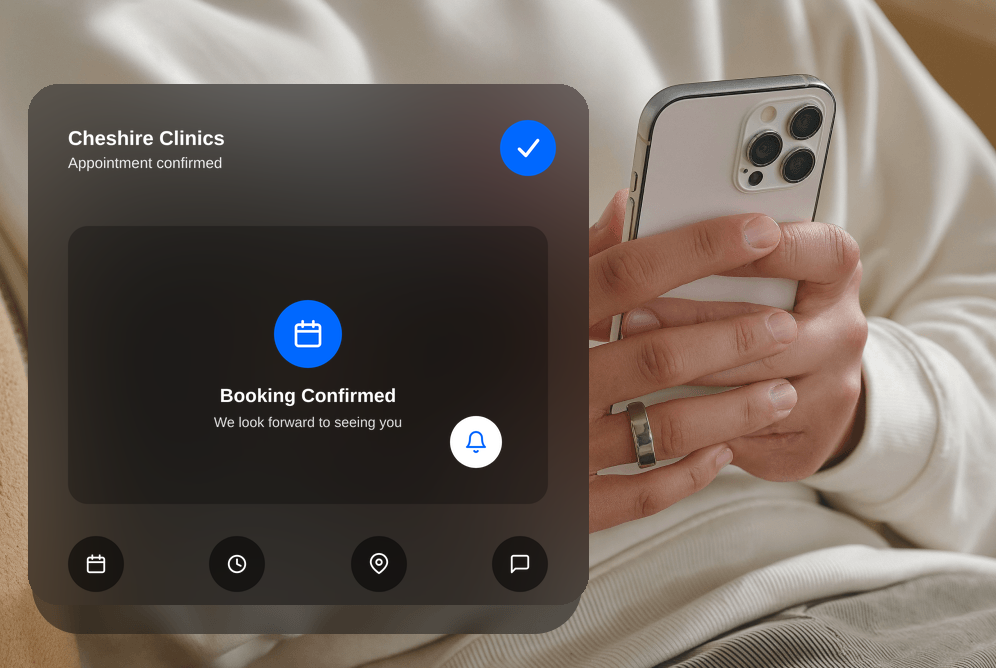
Cheshire Clinics online GP appointment booking confirmation on mobile
01

Book your appointment

Pick a time that suits you — 6am to 10pm, seven days a week, including weekends and bank holidays. £40 for 20 minutes, self-pay, with no insurance to arrange.
5–10 minutes
Online video consultation with a GMC-registered private GP
02

Meet your GP

A 20-minute video or phone consultation with a GMC-registered GP — long enough for a proper conversation about your symptoms, your history and what matters to you.
20 minutes
Diagnostic testing plan including blood test panel, ECG and urine screening
03

Tests and referrals, if you need them

Where testing will actually answer the question, we arrange it — blood tests and health screening through our laboratory partner, or a referral for ultrasound, X-ray, CT or MRI through private imaging providers. We will also tell you when a scan is not the right next step.
1–7 days
Personalised results and treatment plan from a private GP consultation
04

Results and next steps

Your GP talks you through what the results mean and agrees the next step with you. Every consultation ends with your treatment plan in writing, and any prescription goes to your own pharmacy.
20 minutes
GP follow-up reminder for ongoing care and progress monitoring
05

Ongoing care and follow-up

Follow-up appointments, progress monitoring and ongoing advice — including saying plainly when something needs in-person or NHS care instead.

Ongoing

How we compare

Time to be seen

Appointment length

Your NHS record in the room

Written treatment plan

Told when a test isn’t needed

Cost

Varies by practice

Typically 10 minutes

Yes, your full record

Not routinely

Usually

Free

Same day

Often 10 to 15 minutes

Usually not

Sometimes charged

Varies by provider

Often a subscription

Questions about our service

How quickly can I be seen?

Same-day access is usually available, from 6am to 10pm, seven days a week. You choose a time that suits you rather than waiting on hold at 8am.

Will I see the same doctor each time?

Yes. Care is led personally by Dr Mohammad Khan, so you are not passed between clinicians. Continuity is the point of a small practice: someone who knows your history and is listening attentively rather than working through a checklist.

Can you see my NHS records?

Yes, with your consent. We can access your Summary Care Record during the consultation, so your current medications, allergies and significant history are in the room. That means fewer questions you have already answered elsewhere, and safer prescribing.

Are you trying to replace my NHS GP?

No. We are not here to replace GPs, only to support them. Your NHS practice remains responsible for your ongoing care, and with your consent we write to them after the consultation. We are useful when you need to be seen sooner, or want more time than a standard appointment allows.

What is included in the appointment?

Twenty unhurried minutes and a comprehensive assessment. A written treatment plan is included, along with any prescription, sick note or referral letter arising from the consultation, at no extra charge.

How much does it cost?

£40 for 20 minutes, self-pay. Membership is optional and never required. Priced for fairness, because we are not here to charge extortionate amounts for access to a doctor.

What does “treatable online” actually mean?

It means the diagnosis can usually be made from your history and photographs, and that treatment can be arranged safely without examining you. Where a condition is not marked treatable online, it is because examination is the diagnosis — listening to a chest, feeling an abdomen, examining an ear or a joint — or because a procedure or device is needed.

Can you prescribe antibiotics?

Yes, where there is a genuine bacterial infection — cellulitis, impetigo, bacterial urine infections, confirmed strep throat. We will also frequently tell you that you do not need one. Most sore throats, coughs, colds and earaches are viral, and an antibiotic gives you the side effects with none of the benefit.

What if the GP cannot help with what I need?

If your problem turns out to be genuinely outside what we can do remotely, the doctor will tell you straight away, point you to the right service, and refund your fee in full. We would rather do that than fill twenty minutes to justify the charge.

What should I do in an emergency?

Call 999 or go to A&E — do not book an online appointment and do not wait for a reply to an email. For urgent problems that are not emergencies, NHS 111 is available 24 hours a day, online or by phone, and can direct you to the right service.

Patient reviews

What our patients say

No reviews published yet.
Ready to see a GP?20 minutes with a GMC-registered doctor. £40, usually same day.
Book a consultation