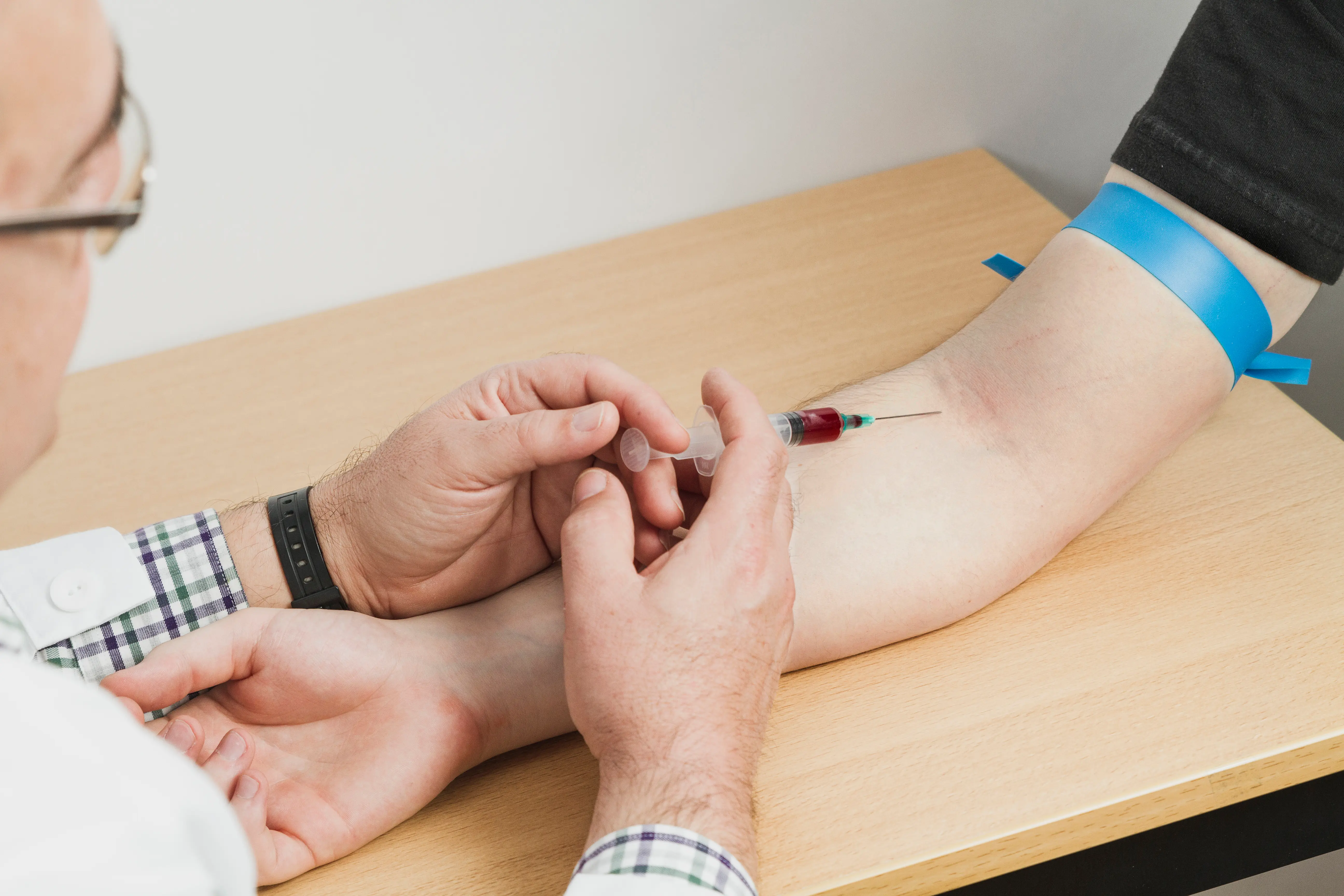
Why is one of my results flagged when I feel fine?
Because reference ranges are built to exclude 5 per cent of healthy people.
Across a twenty-test panel, at least one flagged result is more likely than not — in someone entirely well. Most simply need repeating.
My results are normal but I feel awful. What does that mean?
That the things measured were in range — not that nothing is wrong.
Sleep apnoea, depression, chronic insufficient sleep, post-viral fatigue and ME/CFS all run with completely normal bloods, and all are real.
It is also worth asking what was not tested — a fatigue panel without ferritin, or a thyroid check without antibodies, leaves the commonest answers unexamined.
What does "borderline" actually mean?
Close to the edge of the range, and usually not significant on its own.
What makes it significant is context: whether it fits your symptoms, whether it is moving over time, and what the other results are doing.
My ferritin is normal. Can I still be iron deficient?
Yes, and this is the single most useful thing on this page.
Many laboratories flag ferritin only below 15, but symptoms commonly begin below 30. Genuine iron deficiency therefore sits inside the "normal" range unflagged all the time, particularly in menstruating women.
Should I be worried about a slightly abnormal liver result?
Usually it is fatty liver, which is common and reversible.
Around 7 to 10 per cent weight loss substantially improves it, as does reducing alcohol. It is worth acting on rather than filing away.
Can anything make my results wrong?
Several everyday things. Recent illness raises CRP for weeks. Dehydration alters kidney results. Hard exercise raises muscle enzymes. Alcohol affects liver tests for days.
And biotin supplements distort thyroid assays convincingly enough to look like real thyroid disease — stop them 48 hours before testing.
Do my results screen for cancer?
No. Routine blood panels do not screen for cancer, and tumour markers are not screening tests — in people without symptoms they cause more harm through false positives than they prevent.
The screening that works — bowel, breast and cervical — is free and separate.
What is the most important number that is not on my report?
Your blood pressure. It matters more for long-term health than almost any blood marker, it causes no symptoms, and it is not measured by any panel.
Many pharmacies check it free without an appointment.
My scan report sounds alarming. Is it?
Usually less than it reads. Radiology reports are written for clinicians.
"Degenerative change", "disc bulge" and "disc desiccation" describe findings present in most people past middle age, and are frequently not the cause of the pain.
What should I do with a result I do not understand?
Ask the person who requested it — that is free.
If it came from a private provider your NHS practice will not interpret, a results review is what that appointment exists for.
What rarely helps is buying a larger panel, which produces more borderline numbers and the same confusion.